
Whey Protein for Muscle Growth, Recovery & Performance
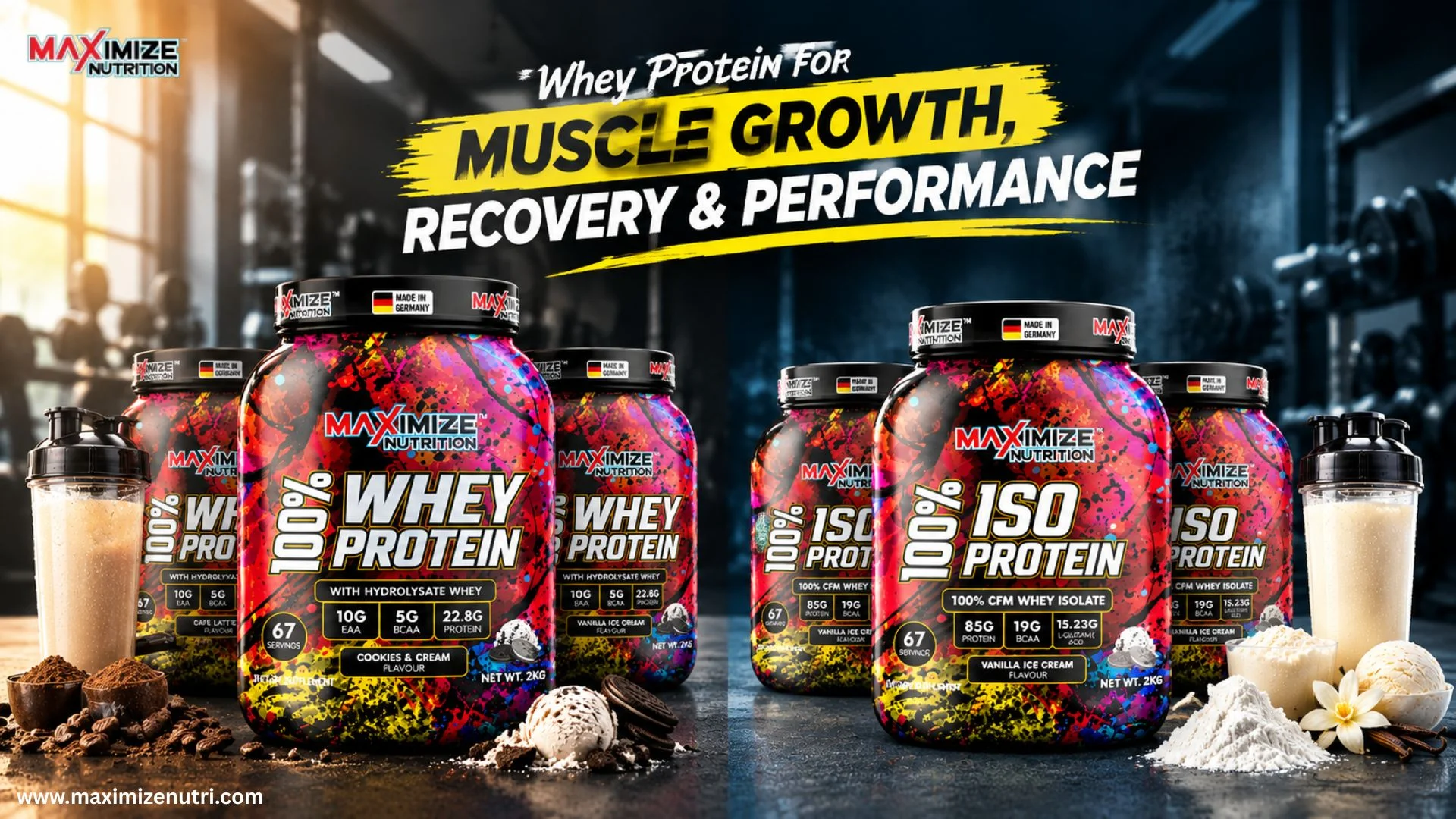
Another form of protein supplement that is most sought out by athletes and gym-goers for promoting muscle growth, strength, and fitness is whey protein. Whey protein can serve as an easy way for people to meet their daily requirement of protein without having to worry about meal preparation. Adequate consumption of protein, when coupled with resistance exercise and a healthy diet, helps promote muscle growth and strength. Studies have shown that protein intake along with resistance exercise can lead to lean body mass gain and strength gains.
What Is Whey Protein?
Whey protein is a type of milk protein which is often added into protein shakes and used as sports nutrition. This protein provides all the necessary amino acids required by the body for proper protein metabolism and building and maintaining muscle mass. Since whey protein is easy to use, convenient, and appropriate for various exercise regimens, it is widely used by those people who need to consume more protein per day.
If you train strength exercises on a regular basis, one of the aspects of your diet will be the intake of sufficient amounts of protein during the day.
Whey Protein for Muscle Growth
There are several key things necessary for muscle growth, such as proper resistance exercise, calorie consumption, proteins, recovery time, and consistency. Proteins give the body a good supply of amino acids that help in building muscles.
The addition of whey protein to a balanced diet helps in reaching an adequate amount of protein. Studies done among those people who have been involved in resistance training have shown that the use of whey supplements in resistance training can lead to increased fat-free body mass.
It is essential to remember that whey protein should not be considered as a substitute for nutrition and training programs. It should be used alongside other healthy practices.
Whey Protein for Workout Recovery
Recovery is an essential component of any training regimen. The body’s muscles become stressed during tough workouts and need proper nutrition and recovery after workouts.
Consumption of protein after exercising may help with the processes of muscle recovery and rebuilding.
In a systematic review and meta-analysis, whey protein supplementation was found to have small-to-moderate effects on the recovery of muscle performance after resistance exercises, however, researchers stated that further research is necessary.
Also, according to another systematic review, protein supplementation before and after resistance exercises might help preserve some indicators of muscle strength during recovery but not decrease muscle pain.
This means that isolate whey protein supplementation can be used by people as a quick source of nutrition after workout, especially when it is difficult for them to eat a protein-containing meal after training.
Supporting Strength and Training Performance
Recovery is a vital element of any training program. Muscles of the body get stressed from intense workouts and require proper nutrition and recovery after exercise. Protein consumption after exercise could assist in muscle recovery and rebuilding processes.
From the systematic review and meta-analysis, it has been discovered that there are small to moderate benefits of whey protein supplementation on the muscle performance recovery after resistance exercises; however, more studies are needed.
Furthermore, according to another systematic review, protein supplementation before and after resistance exercises could help to maintain some parameters of muscle strength during recovery without reducing muscle soreness.
This implies that the supplementation with whey protein is applicable by people as a fast source of nutrition after workout, especially if it is hard for them to eat a protein-containing meal after training.
Convenient Daily Protein Source
Another advantage of whey protein is convenience. Cooking protein-rich food more than once a day can be a challenge for some people because of their hectic schedule. Taking a whey protein shake will be an easy way to get some extra protein in one’s daily nutrition.
It can be made with water or milk and may be used to make smoothies, oatmeal, yogurt, etc. This ability to use whey protein in a variety of ways makes it useful for everyone depending on the life style and diet habits.
Be it muscle building, power training, fitness, or post-exercise recovery, whey protein can become an integral part of one’s nutrition regime according to his personal needs of protein intake.
When Should You Take Whey Protein?
There isn’t any specific mandatory time for having whey protein. The thing to remember is that you should fulfill your total daily requirement of proteins.
Many people tend to have whey protein right after exercising because of the convenience associated with this practice. Moreover, studies indicate that having proteins around exercises can help in muscle development. However, timing should not be the priority over fulfilling your daily requirement of proteins.
Whey protein can be taken in the morning or even between meals. It all depends on what suits you better.
Whey Protein and a Balanced Fitness Routine
The use of whey protein becomes more effective when it forms part of a well-rounded regimen for fitness. This regimen should comprise of resistance training, protein/calorie consumption, fruits and vegetables, sources of carbohydrates and fats in natural foods, adequate hydration, and sleep.
People looking to gain muscle must prioritize progressive training and nutrition over supplementation alone. Likewise, people aiming at weight management should think about their total calorie consumption and diets.
Whey protein is just a means to an end of fulfilling protein needs.
Who Can Use Whey Protein?
The usage of whey protein is found in people like:
- Gym and fitness buffs
- Athletes strength training
- People who want to boost their protein intake
- People using an exercise routine
- Athletes requiring quick recovery nutrition after workouts
- People with hectic lifestyles
Different protein needs of individuals may be dictated by various factors such as body weight, intensity of workouts, age, dietary habits, and fitness goals among others. Individuals with certain dietary limitations, allergies, and other medical concerns should consider suitable supplements and possibly seek advice from a health expert.
Why Choose Whey Protein?
A good whey protein supplement is one of those supplements which can be included in your regimen since it comes with the convenience of preparation coupled with an intensive amount of protein. This eliminates the need for having to take an additional meal that will also provide protein.
For those interested in building muscles, recovery, and performance, it can be an effective accompaniment to resistance training.
Final Thoughts
Whey Protein for Muscle Strength, Mass & Recovery may prove to be a useful supplement in conjunction with an overall healthy and nutritious lifestyle. It offers a convenient way to raise protein consumption, and it is good in combination with resistance training and recovery.
It has been proven by research that protein intake combined with resistance training leads to gains in muscle strength and mass, whereas whey protein powder in particular, has shown promise for training and recovery purposes.
The best results will be achieved if whey protein is combined with regular physical activity, proper nutrition, hydration, and sleep. Instead of relying solely on a supplement, make sure to develop habits that contribute to your overall fitness.